


Author: FPI

[vc_row css_animation="" row_type="row" use_row_as_full_screen_section="no" type="full_width" angled_section="no" text_align="left" background_image_as_pattern="without_pattern"][vc_column][vc_column_text css=""] Parkinson’s disease (PD) not only affects movement; it also affects the autonomic nervous system, which controls and regulates many automatic bodily functions — such as breathing, digestion and body temperature — without us needing to think about...
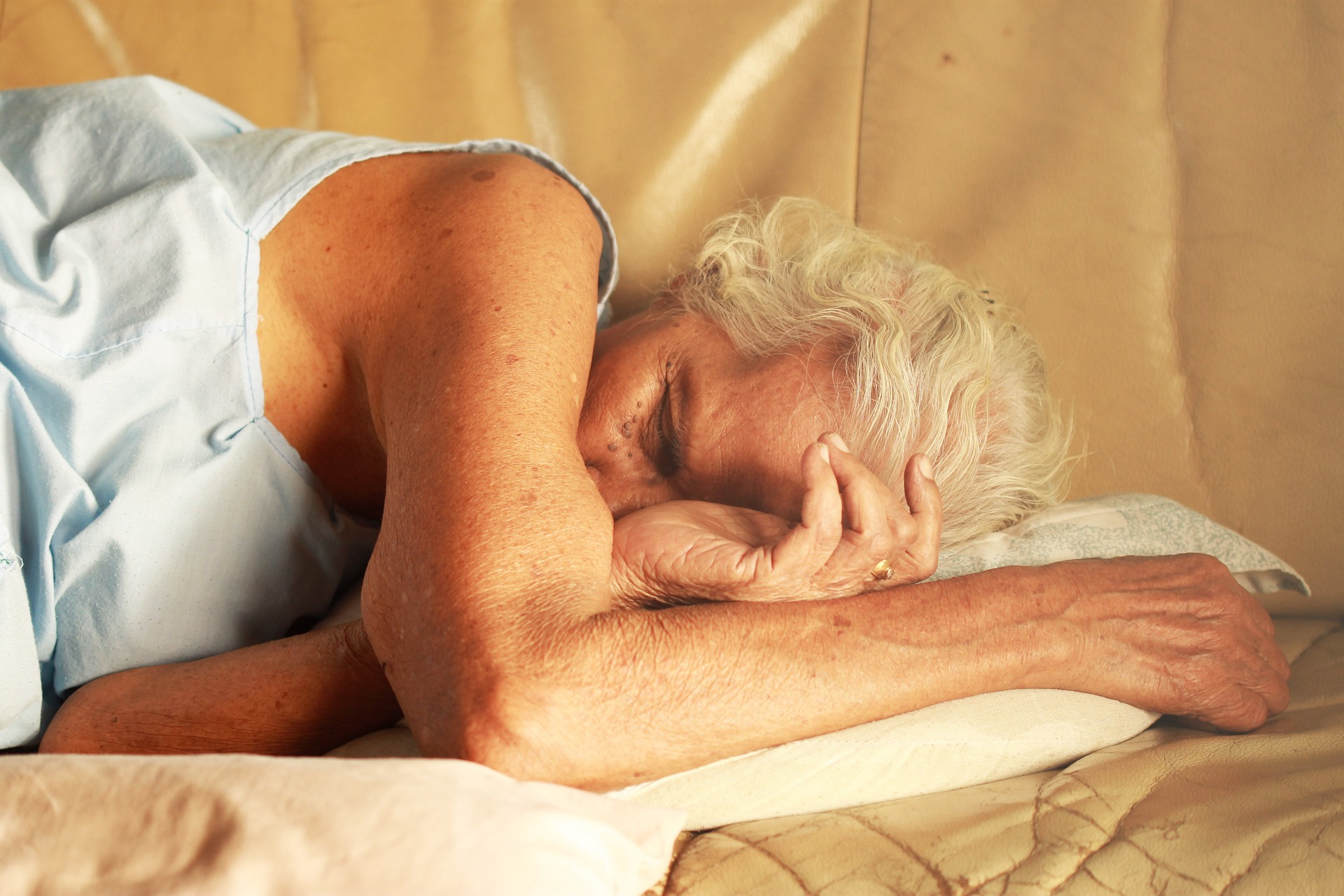
[vc_row css_animation="" row_type="row" use_row_as_full_screen_section="no" type="full_width" angled_section="no" text_align="left" background_image_as_pattern="without_pattern"][vc_column][vc_column_text css=""] Most people with Parkinson’s disease (PD) have trouble getting a good night’s sleep. Both disease symptoms and anti-Parkinson’s medications can interfere with nighttime rest. Fortunately, there are effective medications for many sleep problems. Some common sleep issues...

[vc_row css_animation="" row_type="row" use_row_as_full_screen_section="no" type="full_width" angled_section="no" text_align="left" background_image_as_pattern="without_pattern"][vc_column][vc_column_text css=""] Parkinsonism is a name for a group of movement symptoms found in several conditions, including Parkinson’s disease. These symptoms include slow movements, stiffness, tremor and problems with walking and balance. Parkinsonism disorders can also involve non-movement symptoms,...

[vc_row css_animation="" row_type="row" use_row_as_full_screen_section="no" type="full_width" angled_section="no" text_align="left" background_image_as_pattern="without_pattern"][vc_column][vc_column_text css=""] People with Parkinson’s disease (PD) are at a higher risk of hospitalization and face many challenges while in the hospital. This year alone, one in every six people with PD will experience avoidable complications in the hospital....

[vc_row css_animation="" row_type="row" use_row_as_full_screen_section="no" type="full_width" angled_section="no" text_align="left" background_image_as_pattern="without_pattern"][vc_column][vc_column_text css=""] Dystonia is a continuous or repetitive muscle twisting, spasm or cramp that can happen at different times of day. Curled, clenched toes or a painful, cramped foot are telltale signs of dystonia. Dystonia can occur in different...

[vc_row css_animation="" row_type="row" use_row_as_full_screen_section="no" type="full_width" angled_section="no" text_align="left" background_image_as_pattern="without_pattern"][vc_column][vc_column_text css=""]If you experience fatigue and sleep problems, you are not alone. These are common symptoms of Parkinson’s disease (PD). In fact, fatigue can occur at any stage of Parkinson’s, and many people report that fatigue is one...

[vc_row css_animation="" row_type="row" use_row_as_full_screen_section="no" type="full_width" angled_section="no" text_align="left" background_image_as_pattern="without_pattern"][vc_column][vc_column_text css=""] If you live with Parkinson’s disease (PD) and experience pain, you are not alone. Chronic pain is twice as common among people with PD as it is in people without it. In fact, more than 80 percent...

[vc_row css_animation="" row_type="row" use_row_as_full_screen_section="no" type="full_width" angled_section="no" text_align="left" background_image_as_pattern="without_pattern"][vc_column][vc_column_text] For people with Parkinson’s disease (PD), managing the disease often comes down to a daily balance of dopamine — the neurotransmitter that is lost in PD. The challenge is to work with dopamine replacement therapies to find the...

[vc_row css_animation="" row_type="row" use_row_as_full_screen_section="no" type="full_width" angled_section="no" text_align="left" background_image_as_pattern="without_pattern"][vc_column][vc_column_text] Dementia refers to permanent memory and thinking changes that interfere with daily life and independence. [/vc_column_text][vc_empty_space][vc_column_text] Signs of Dementia in Parkinson’s Focus, memory, learning or problem-solving issues Depression, irritability and anxiety Delusions (thoughts not based in reality) Argumentative, aggressive or...

[vc_row css_animation="" row_type="row" use_row_as_full_screen_section="no" type="full_width" angled_section="no" text_align="left" background_image_as_pattern="without_pattern"][vc_column][vc_column_text] Parkinson’s affects control of automatic activities, so posture changes may occur without the brain’s automatic reminders to stand up straight. These changes may include stooped or rounded shoulders, decreased low back curve, or forward leaning of the head...